🐱
China Osint-Hacktoria-The Hangzhou Pivot: A Multi-Vector OSINT Reconstruction of a T00ls Operative

China Osint-Hacktoria-The Hangzhou Pivot: A Multi-Vector OSINT Reconstruction of a T00ls Operative

This investigation documents the systematic de-anonymization of a target initially identified through a legacy security blog. By leveraging identifier reuse across the Chinese internet, the research pivots from a QQ-based email to a comprehensive behavioral profile on Baidu Zhidao. The investigation further utilizes specialized infrastructure mirrors to correlate QQ IDs with mobile numbers and Weibo UIDs, ultimately achieving a three-point geographic convergence in Hangzhou, Zhejiang. The report concludes with an analysis of the target's professional background in IT and the identification of modern blockchain-based access mechanisms within the t00ls community.

Breaking News -bellingcat osint challenge

Breaking News -bellingcat osint challenge

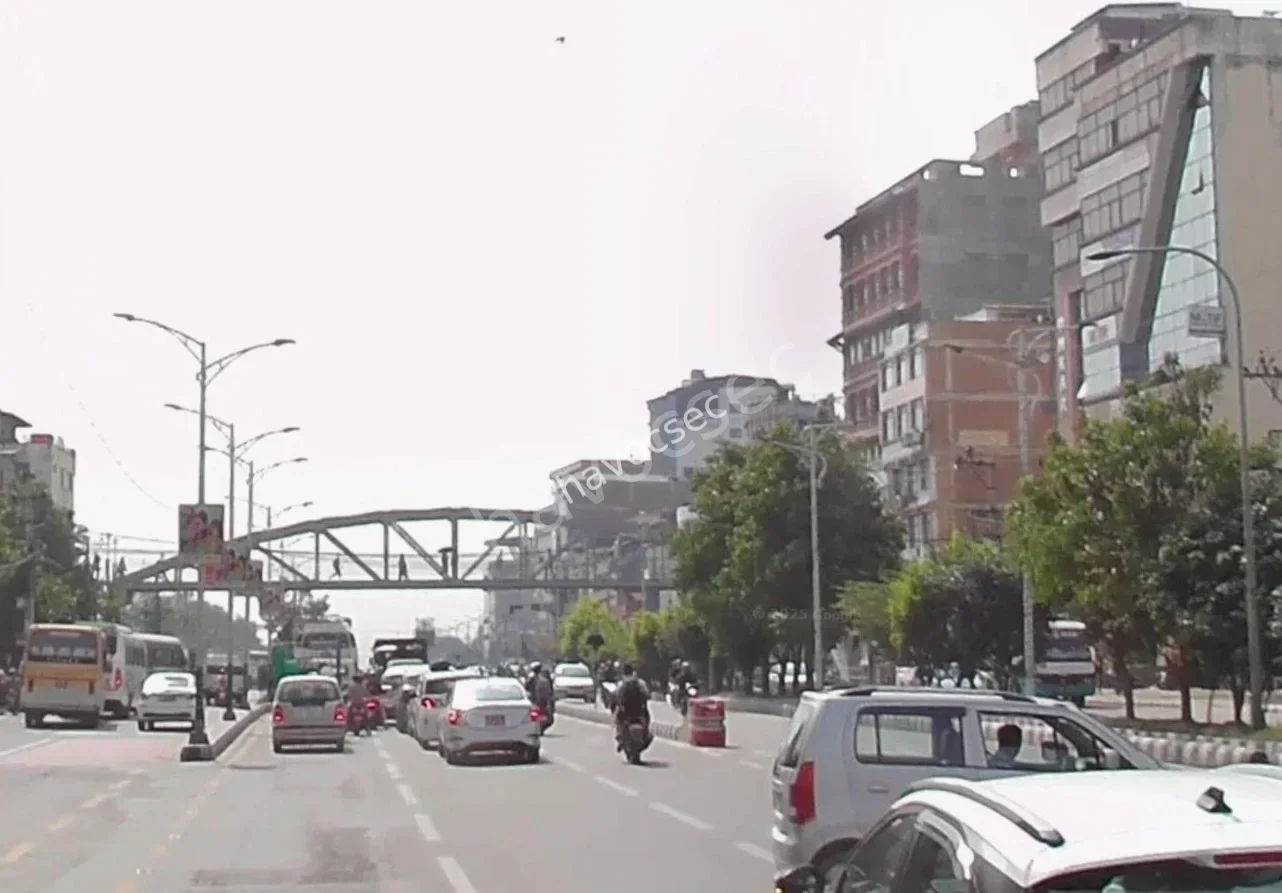
This OSINT challenge tasks participants with identifying why a specific street made international news in 2025. Using visual clues from Google Street View, solvers must geolocate the exact spot and connect it to a real-world event that triggered widespread public attention. The final step requires correlating that location with a contemporaneous news article published by Al Jazeera, specifically extracting the last two words of the article’s title that featured a header image taken from the same vantage point. The challenge tests geolocation accuracy, temporal awareness, and the ability to cross-reference imagery with credible media reporting — core OSINT skills under real-world constraints.

Climate Question-Bellingcat Open Source Challenge 3

Climate Question-Bellingcat Open Source Challenge 3

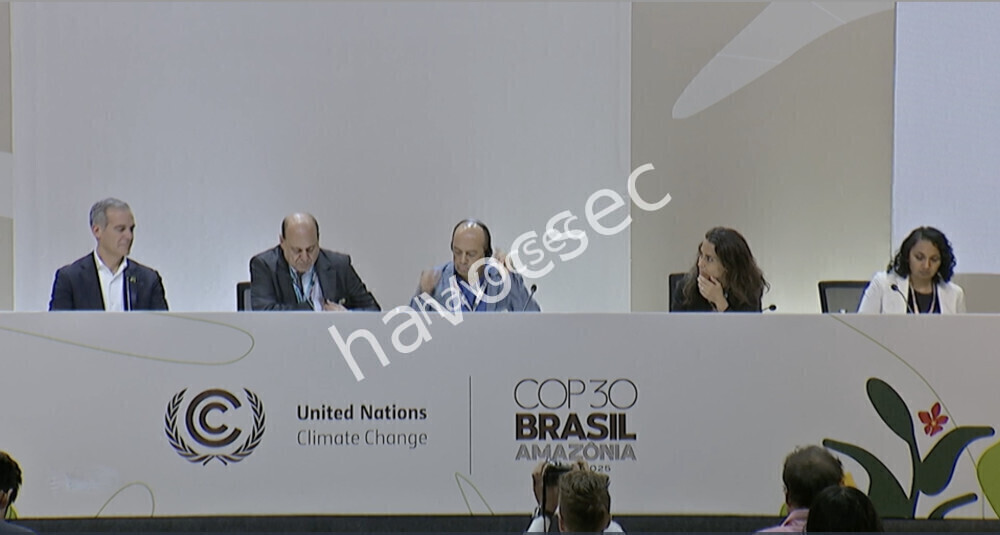
This challenge centers on contextual OSINT within a high-profile international event. Participants are presented with an image from a session at United Nations Climate Change Conference (COP30), held in Belém, and tasked with determining which session it depicts. The investigation requires mapping the visual details of the session—such as panel composition, branding, and staging—to official COP30 schedules and recordings. The final step involves identifying the first audience member to ask a question and extracting their first name, emphasizing careful review of session footage, attention to sequence, and disciplined source verification rather than assumption or guesswork.

Lost in Translation-bellingcat osint challenge2

Lost in Translation-bellingcat osint challenge2

This challenge focuses on audio-based OSINT, requiring participants to determine the city where an unidentified recording was made. With limited context and language barriers obscuring meaning, solvers must rely on indirect indicators such as accent, background noise, linguistic structure, and regional audio characteristics. By correlating these signals with known geographic and cultural markers, the investigation leads to the city. The puzzle emphasizes a critical OSINT reality — understanding what is being said is often less important than understanding where and why it was recorded.